

Build a world with light, material and one clear idea
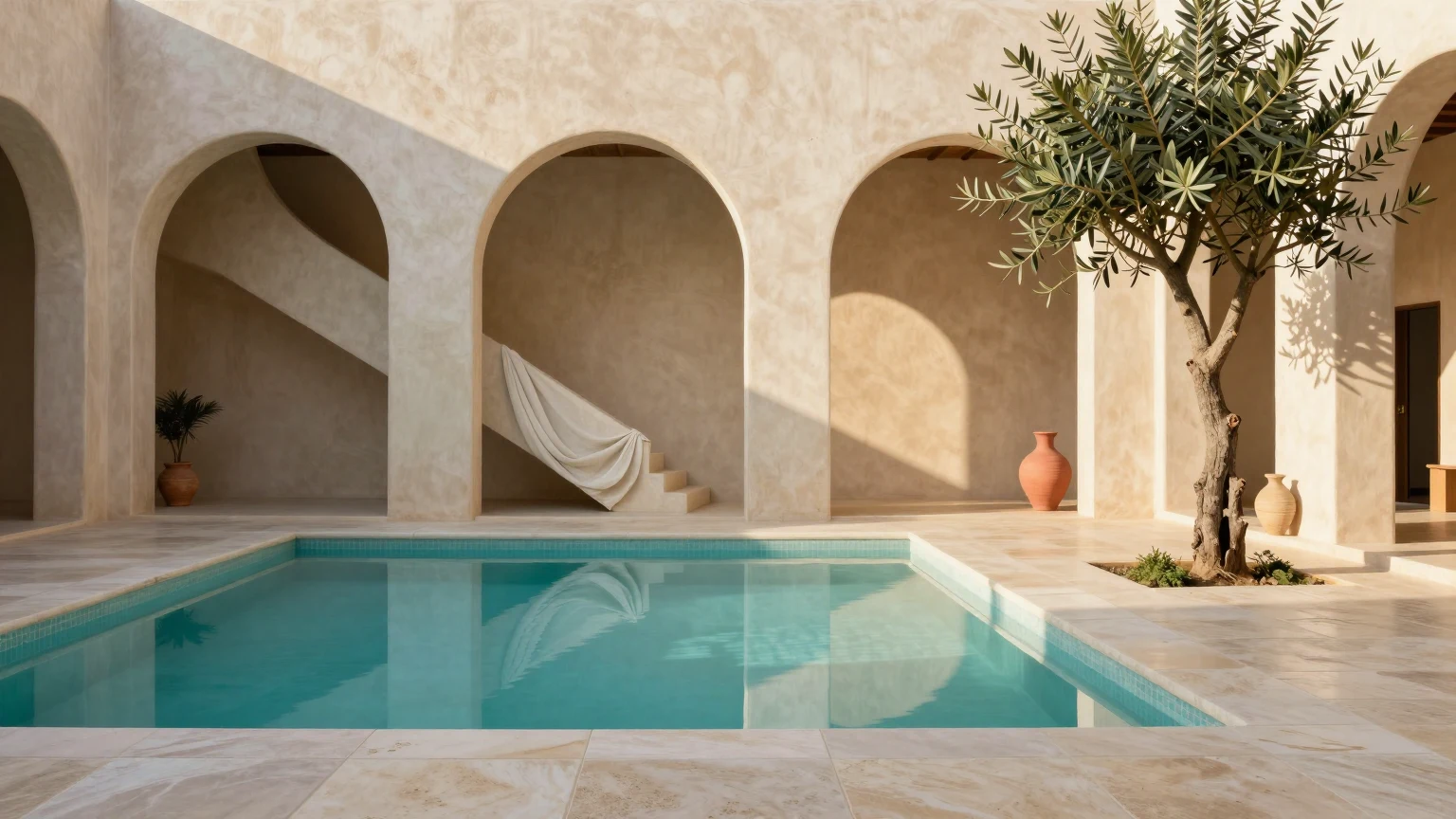
Inside Stillwater, an architectural study built around warm plaster, cool water and a single olive tree.
On this page
Stillwater is an imagined courtyard built around one visual contrast: warm ivory plaster beside turquoise water. Its retained prompt shows how to describe a place with enough detail to guide an image, without filling every corner. Use this study to write your own brief for light, materials and framing.
1. Choose the contrast that matters
The Stillwater prompt pairs pale walls with a bright turquoise pool. Travertine, cream linen and a small terracotta vessel stay close to the warm side of that palette. An olive tree gives the architecture a softer shape.
Start your own brief with two elements that should lead the image. For a reading room, you might choose cool concrete and a warm pool of lamplight. Add an object only if it helps explain the place or gives the eye somewhere to rest.
2. Describe what the light does
“Beautiful light” leaves much of the decision open. Stillwater's source asks for late-afternoon sunlight, a diagonal wall shadow and reflected light beneath the arches. These are things you can look for in the result.
For your scene, name the light's direction and one visible effect. Decide whether you want sharp shadow edges or a soft transition. Keep the time of day consistent with those choices. If the result feels flat, revise the shadow or reflection before adding more props.
3. Give the viewer a place to stand
The saved graph specifies a 1536 × 864 image and a low, wide composition. The prompt places the olive tree on the right and asks for the pool and surrounding arches to remain readable. Those directions establish a viewpoint; a style label alone would not.
Check your result at the size you will use it. Can you still tell what the scene is about? Are important edges cut off? An attractive imagined courtyard is not a measured architectural design or a photograph of a real property.
4. Try one deliberate variation
Keep the selected image beside your new take. Changing the light first makes it easier to judge the change than replacing the materials, camera angle and palette together. A text-to-image variation can also move objects you meant to keep; use an image reference and ask about supported editing options when placement must stay fixed.
Illustrative prompt, not the historical generation request:
“Plan an original courtyard study with pale plaster and turquoise water. Keep a low, wide view and one olive tree on the right. Propose a morning-light variation with softer shadows. Use Stillwater for mood, not as a real location. Show me the proposed change before generating.”
Inspect the source
The Stillwater example includes the original image and saved graph, with its exact prompt and seed. It records this image's construction; it does not guarantee that a new generation will preserve its geometry. For reference-led work, read how to use references.
This guide was revised with AI assistance from the retained source. No new image trial was run for the revision.
Keep reading
How-to
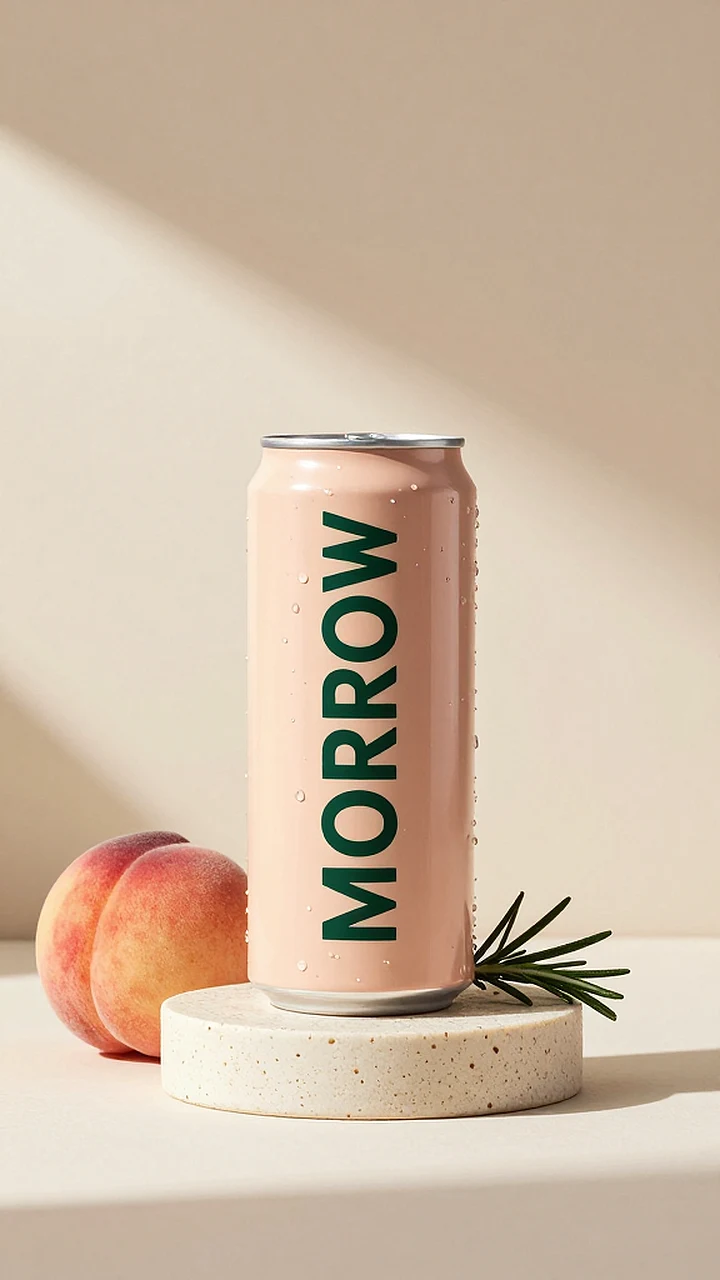
From pear to peach, with the original intact
A real Morrow campaign revision shows what it means to keep a source and take it in a new direction.

How-to
A character starts with a few details worth keeping
An ivory body, round eyes and a coral umbrella: the brief behind Milo’s first portrait.