

From pear to peach, with the original intact
A real Morrow campaign revision shows what it means to keep a source and take it in a new direction.
On this page
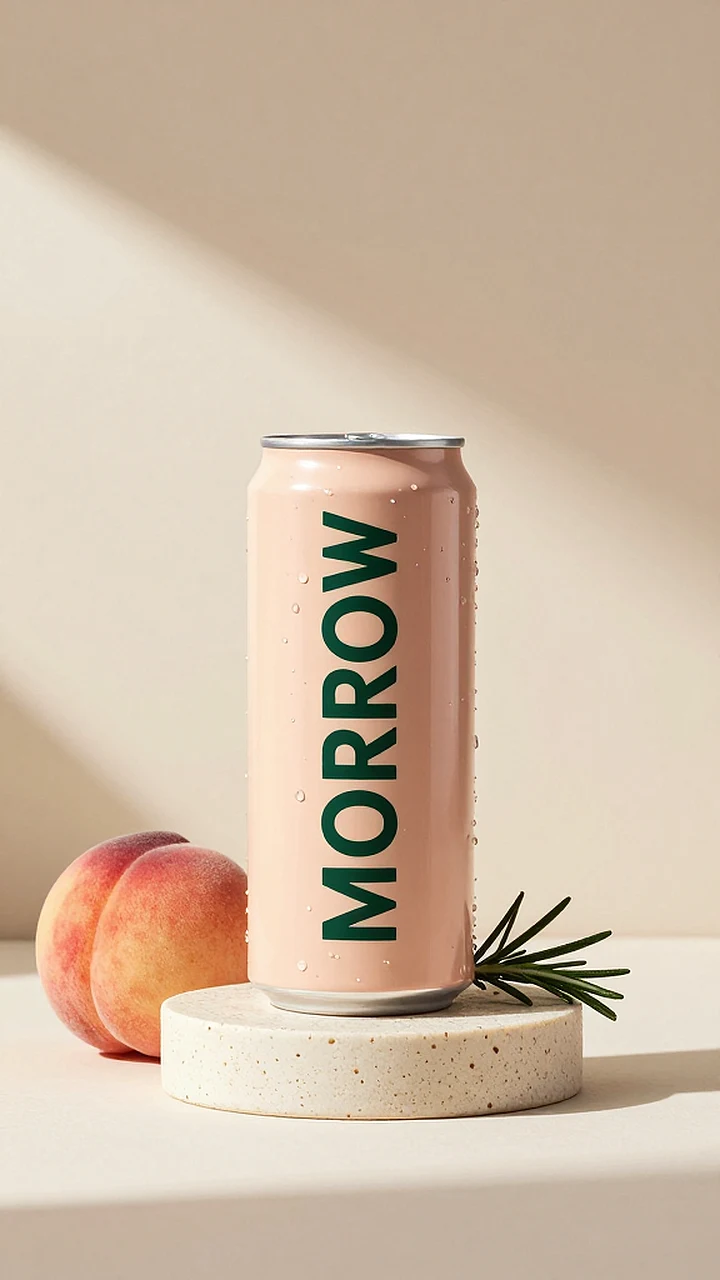
The Morrow trial turned a fictional pear-and-ginger beverage concept into a peach-and-rosemary variant while keeping the original. The useful lesson is how to carry forward a campaign's visual direction without confusing a new take with an exact edit. Both images and their source packages remain in the example collection.
1. Fix the composition before multiplying it
The trial's first still had a busy, stacked plinth. The recorded feedback led to a single pedestal and clearer framing. The prompt changed while the seed stayed the same, and the graph gained a resizing and sharpening step. This was a reviewed revision, not a claim that the first render was already finished.
Before making variants of your own image, decide which version deserves to be the starting point. Look at the product's size in frame, the surrounding space and any text. Repeating a weak composition across several flavors makes more work to correct later.
2. Separate the campaign direction from the flavor
Morrow's reusable direction was a can on a stone plinth in warm ivory light, with ingredients nearby. The peach version changed the ingredient story. Its source graph was exported, imported into a separate project and run with a new prompt and seed.
The resulting peach-and-rosemary image is a real generated take. It preserves a general art direction; it is not a pixel-preserving replacement of the pear. If a real product's packaging must remain exact, provide the original product photo and say which pixels or features may not change. Inspect the proposed editing method before accepting a full regeneration.
3. Give the revision a test you can see
Illustrative brief for a new variant, not the verbatim trial prompt:
“Use the selected pear-and-ginger Morrow still as the starting direction for a separate peach-and-rosemary concept. Keep the warm light and simple stone pedestal. Change the flavor cues to peach and rosemary. Preserve the pear original and show both versions for comparison. First describe what the proposed method can keep exact.”
Compare more than the new fruit. Check whether the can became smaller, the label changed or the shadows stopped agreeing. A result can satisfy the new request and still lose an important part of the old one. Name any unwanted change before choosing the variant.
4. Treat motion as another creative decision
The same trial produced an eight-second Morrow film. Its first motion take added artificial glints and pushed in far enough to crop ingredients. Recorded feedback asked for a locked camera and natural light. The selected motion was finished with narration, typography and a small synthesized sound mark; the last frame was held to reach eight seconds.
Its source clip was resized for the 720 × 1280 delivery, so the export size does not mean native HD detail. The trial documented sampled-frame review and decode checks, not a complete human audiovisual quality review.
Compare the retained work
Open the pear original, peach variant and finished film. Their source downloads explain how the retained work was made.
This guide was revised with AI assistance from the recorded Morrow trial and retained assets. No new campaign or performance test was run for the revision.
Keep reading

How-to
A character starts with a few details worth keeping
An ivory body, round eyes and a coral umbrella: the brief behind Milo’s first portrait.
How-to
Build a world with light, material and one clear idea
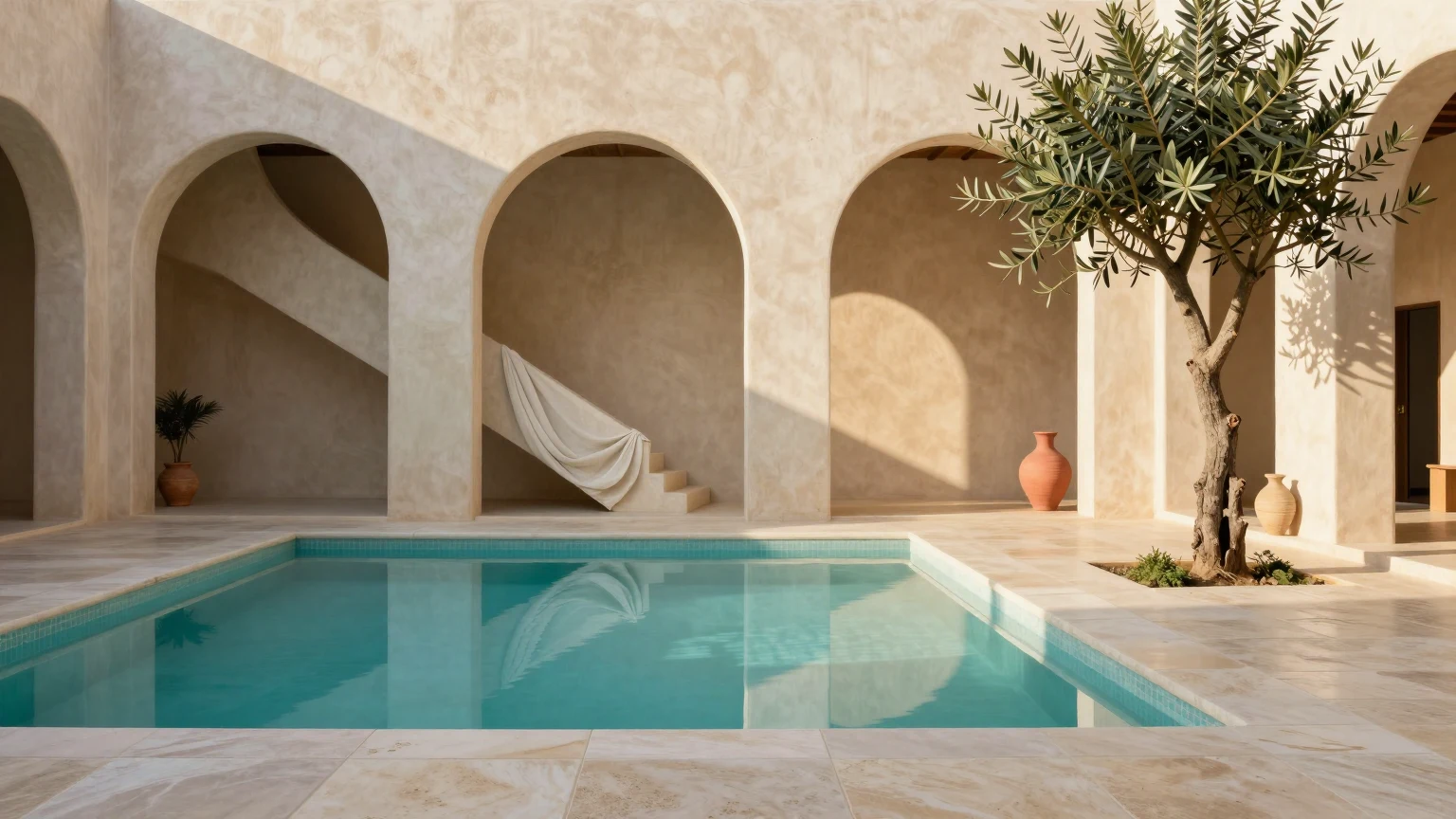
Inside Stillwater, an architectural study built around warm plaster, cool water and a single olive tree.